
Selling Aging or Unsafe Homes As-Is in Florida
Owning an aging home in Florida can quickly become expensive and overwhelming. Between rising insurance costs, strict building codes, hurricane-related wear and tear, and constant maintenance, many homeowners find themselves stuck with a property that feels more like a burden than an asset.
If your house has outdated wiring, roof damage, foundation problems, mold, or structural concerns, selling it the traditional way may feel nearly impossible. The good news? In 2026, more Florida homeowners are choosing to sell their properties as-is to cash buyers and avoid costly repairs entirely.
This guide will walk you through how to sell an aging home as is Florida, what to expect from the process, and how to close quickly without stress.
What Counts as an Aging or Unsafe Home?
In Florida, many older homes were built decades ago and may no longer meet modern safety expectations. Even if the home is livable, certain issues can make it difficult to sell through a traditional real estate listing.
Common examples of aging or unsafe home conditions include:
- Old roof (15–25+ years)
- Outdated electrical wiring (knob-and-tube or aluminum wiring)
- Plumbing leaks or corroded pipes
- Foundation cracks or sinking slabs
- Termite or pest damage
- Mold, mildew, or water intrusion
- Structural wood rot
- Unsafe stairs, railings, or balconies
- Fire damage or smoke damage
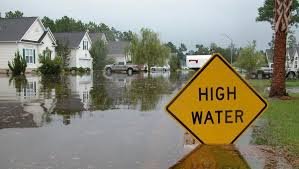
- Hurricane damage or storm wear
- Code violations or unpermitted additions
Many of these issues can trigger inspection failures and scare away financed buyers.
Why Traditional Buyers Avoid Unsafe Homes in Florida
In 2026, most traditional buyers rely on mortgage financing. That creates a major problem for homes with safety concerns.
Banks often require:
- A clean inspection report
- A solid appraisal value
- A property that meets minimum livability standards
If your home has major repairs needed, lenders may refuse the loan entirely. That means even if you find a buyer, the deal could fall apart before closing.
Traditional selling challenges include:
- Low offers after inspections
- Required repairs before closing
- Delays from appraisals and lender approvals
- Higher insurance requirements for older homes
- Long time on the market
This is why selling as-is is becoming one of the most popular options for Florida homeowners.
What Does “Selling As-Is” Mean in Florida?
Selling a home as-is means you are selling the property in its current condition, without making repairs, renovations, or upgrades.
You’re essentially saying:
“This is the house as it stands today. The buyer accepts it with all issues included.”
That doesn’t mean you can hide defects. Florida law still requires sellers to disclose known material issues, but you are not obligated to fix them.
Selling as-is is especially common for:
- Older homes
- Rental properties
- Inherited properties
- Homes with code violations
- Properties with structural damage
Why Cash Buyers Are Ideal for Aging Homes
Cash buyers are investors or home buying companies that purchase homes without financing. This is a major advantage when the property is unsafe or outdated.
Cash buyers typically offer:
- No repairs required
- No bank inspections or lender delays
- Faster closing (often 7–14 days)
- No realtor commissions
- Fewer contingencies
They buy the home as-is, renovate it themselves, and resell or rent it.
This is one of the fastest ways to sell an aging home in Florida in 2026.
Best Strategy to Sell an Aging Home As-Is in Florida
Here’s the best approach if you want speed and simplicity:
1. Don’t Spend Money on Major Repairs
Many homeowners make the mistake of pouring money into repairs that won’t increase the sale price enough to justify the cost.
Expensive repairs include:
- Roof replacement
- Full rewiring
- Foundation repairs
- Mold remediation
- Plumbing replacement
- HVAC replacement
Instead of investing thousands, many sellers choose to sell directly to a buyer who can handle it.
2. Get Multiple Cash Offers
Cash offers can vary widely depending on the buyer’s renovation strategy.
Some buyers flip homes quickly.
Others renovate for rentals.
Some specialize in teardown and rebuild properties.
Getting 2–3 offers helps ensure you don’t accept a lowball deal.
3. Be Honest About the Property Condition
Cash buyers expect problems. You don’t need to hide anything.
Being upfront about:
- leaks
- mold
- unsafe electrical
- termite damage
- code violations
…helps the buyer make an accurate offer and prevents delays later.
4. Choose Buyers Who Cover Closing Costs
Many professional cash buyers will pay closing costs, title fees, and paperwork costs. That means you keep more of your cash offer.
Always ask:
- “Do you cover closing costs?”
- “Are there any fees?”
- “Do you charge service fees?”
A reputable buyer should give you a clean, transparent offer.
Quick Process for Selling As-Is in Florida (2026)
Here’s what the process usually looks like:
| Step | What Happens | Timeframe |
|---|---|---|
| 1 | Request an offer from a cash buyer | Same day |
| 2 | Share property details/photos | 10–30 minutes |
| 3 | Buyer evaluates condition | 24–48 hours |
| 4 | Receive cash offer | 1–2 days |
| 5 | Accept and sign agreement | Same day |
| 6 | Title check + paperwork | 5–10 days |
| 7 | Close and get paid | 7–14 days total |
This is much faster than listing a home, which can take 60–120 days (or more).
Common Reasons Florida Homeowners Sell Aging Homes Fast
Many homeowners decide to sell as-is because of:
Inherited Properties
Older inherited homes often come with deferred maintenance, probate delays, or family disputes.
Code Violations
Unpermitted additions, unsafe wiring, or outdated systems can trigger local code enforcement.
Storm and Hurricane Damage
Florida weather can cause roof leaks, structural wear, and hidden moisture issues over time.
Insurance and Maintenance Costs
Insurance premiums in Florida have become expensive, especially for older homes with older roofs.
Downsizing or Relocation
Many homeowners want to move without spending months repairing an outdated property.
FAQs About Selling Aging Homes As-Is in Florida
Yes. You can sell an unsafe or aging home as-is, especially to cash buyers who specialize in distressed properties.
Yes. Florida requires sellers to disclose known material defects, even in an as-is sale.
Many cash buyers can close within 7 to 14 days, depending on the title process and paperwork.
Yes. Many investors buy properties with code violations, unpermitted work, and safety concerns because they plan to renovate.
Yes. These issues often scare away traditional buyers, but cash buyers frequently purchase homes with roof damage, foundation cracks, and structural concerns.
Final Thoughts: Selling Aging Homes As-Is in Florida in 2026
If your Florida home is aging, unsafe, or expensive to maintain, selling it as-is can be the smartest move. In 2026, more homeowners are choosing cash buyers to avoid repairs, skip inspections, and close quickly.
Instead of pouring money into a property you no longer want, you can sell fast, walk away clean, and move forward with peace of mind.
If you want to sell aging home as is Florida, the best strategy is to compare multiple cash offers, choose a reputable buyer, and close on your timeline.